
The short answer
Resolve condition first, improve handling next, then add the comforts that your sailing justifies.
What you’ll work through
Establish a baseline before shopping
Collect the survey, service records, equipment inventory and diagrams. Identify work necessary to address unresolved concerns, then overdue maintenance, then improvements for your intended sailing. New electronics and upholstery can be appealing, but they do not answer questions about a rig, engine or leaking deck. Fix the reason for a problem rather than only improving its appearance.
For each proposed upgrade, write the problem it solves. If you cannot explain the benefit in your regular sailing, postpone it until you have used the yacht more. A weekend boat, a liveaboard and a coastal cruiser may need different systems. Avoid building a shopping list around someone else's ocean-crossing equipment without a matching requirement.
Sails and easier handling
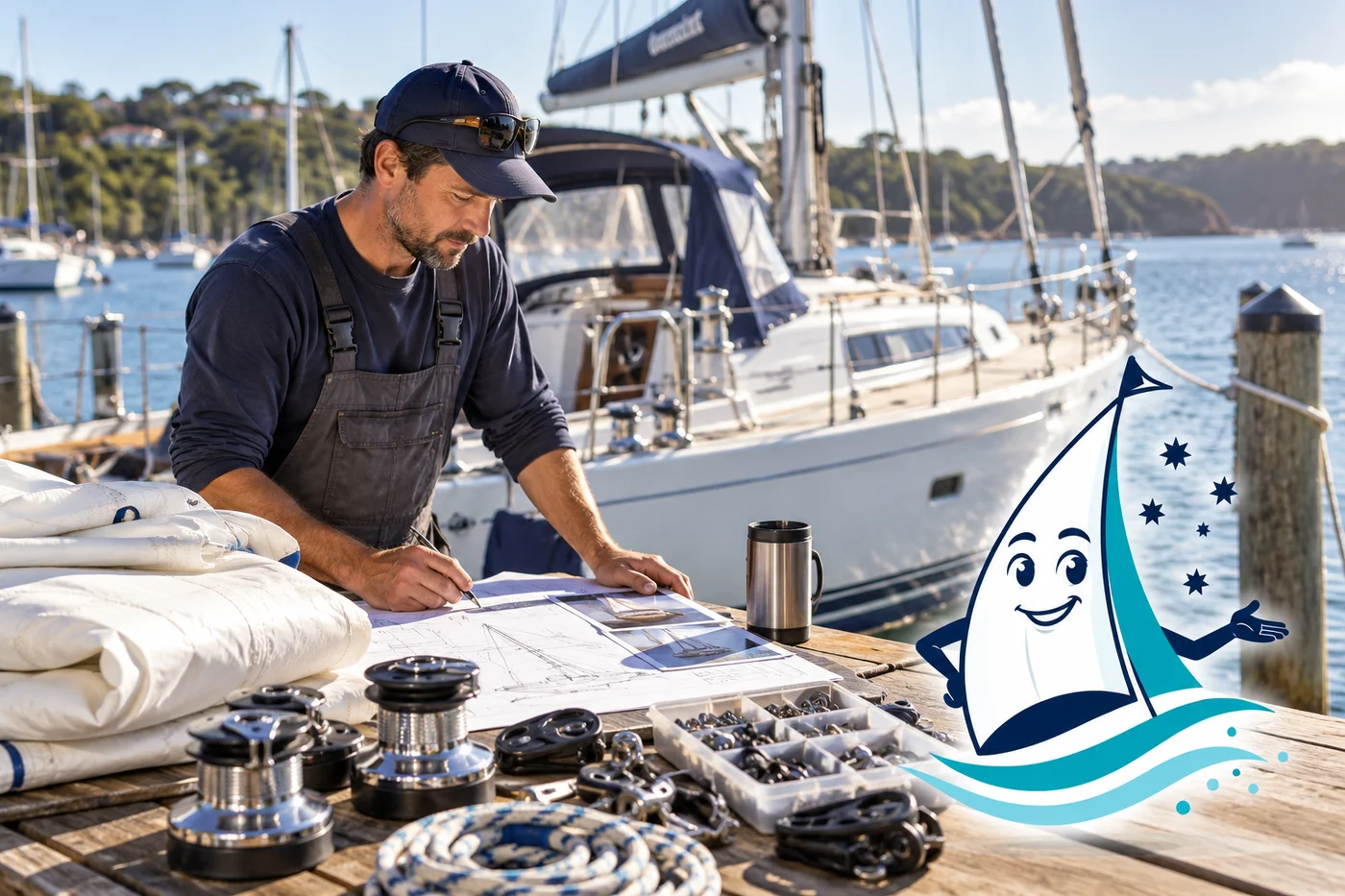
Ask a sailmaker and rigger to assess the sail plan and handling arrangements together where their scopes overlap. Reefing, furling, control leads and winch placement may matter more to a short-handed crew than another specialist sail. Discuss what can be improved with servicing, adjustment or training and what genuinely requires replacement.
Get quotes for the complete arrangement, including measurement, hardware compatibility, fitting and demonstration. A new mainsail may interact with battens, cars, stack pack or reefing equipment. Agree who measures and checks those interfaces. Retain the specification so future owners and contractors understand what was fitted.
Machinery, charging and electrical work
Start with an inventory of loads, charging sources and existing components. Ask an appropriately qualified marine specialist to assess changes such as lithium batteries, larger alternators, inverters or shore-power equipment. Buying a battery is not the same as commissioning a compatible, protected installation.
For machinery upgrades, compare repair with replacement and include access, controls, exhaust, propulsion compatibility and testing. Ask what documentation and owner instruction will be provided. Plan systems together: changes to charging, weight, ventilation or access may affect more than the component on the invoice.
Choose contractors and sequence the yard period
Use YouSail's categories to find relevant businesses, then confirm sailing-yacht experience, location, qualifications where applicable, insurance, availability and written scope directly. A listing is a starting point for enquiries, not a quality guarantee. Ask who will coordinate the yard, contractor access and dependent tasks.
Request a staged schedule with decision points for hidden work and written approval of changes. Combine tasks that need the same lift or access when sensible, while leaving time for parts delays and inspections. Keep warranties, diagrams, photographs and commissioning records in the yacht's maintenance file.
A simple three-stage refit
First, resolve the findings that professionals say must be addressed before intended use. Second, restore reliable routine operation and make handling manageable for your crew. Third, add optional comfort and performance features after gaining experience aboard. The order will vary by yacht, but the principle is to establish a sound baseline before adding complexity.
Set a budget for each stage and retain reserve money outside the shopping list. Agree how completion will be verified, including any relevant trial or follow-up inspection. An upgrade is complete when it works as intended, is documented and you know how to use and maintain it.
Write a one-page brief before asking for quotes
State the problem in operational terms: the regular crew cannot reef comfortably, the existing charging does not meet the measured usage pattern, or an inspection has identified work. Include photographs, model details, access constraints and the intended completion window. Ask the contractor to identify dependencies and exclusions. A clear problem statement allows a better solution than requesting a fashionable product by name.
Compare quotes using the same scope: supply, removal, installation, access work, disposal, integration, commissioning, documentation and handover. Separate necessary work from optional alternatives. Agree who authorises variations if hidden conditions are found, and reserve time to test the completed system. Keep the old configuration documented until the new arrangement is verified; an upgrade is not complete simply because the new equipment is aboard.
Sequence the refit around dependencies and access
Begin with the survey findings and the next season’s intended use. Identify jobs that require the same haul-out, mast removal, access panels or electrical redesign. Coordinating them can reduce repeated disruption, but ask contractors which sequence is technically appropriate. Cosmetic work done too early may need to be disturbed again.
Appoint someone to control the scope and variations across contractors. Record who supplies drawings, confirms compatibility and commissions the whole installation. Before approving an attractive optional upgrade, check whether it consumes the reserve needed for unresolved repairs. Finish each project with testing, documentation and crew familiarisation, rather than measuring completion only by whether the equipment is physically fitted.
12 DETAILED EQUIPMENT GUIDES
Upgrade your vessel, one system at a time.
Each product category has its own page: the buying decision, system compatibility, quote inclusions, commissioning and ongoing care. Start with the problem you need to solve.

EQUIPMENT 01
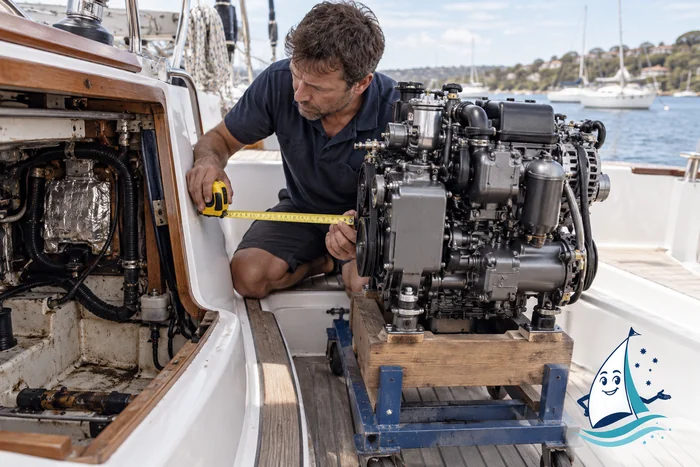
Engine & propulsion
Repair, rebuild or repower: compare the complete propulsion installation.
Open complete upgrade guide →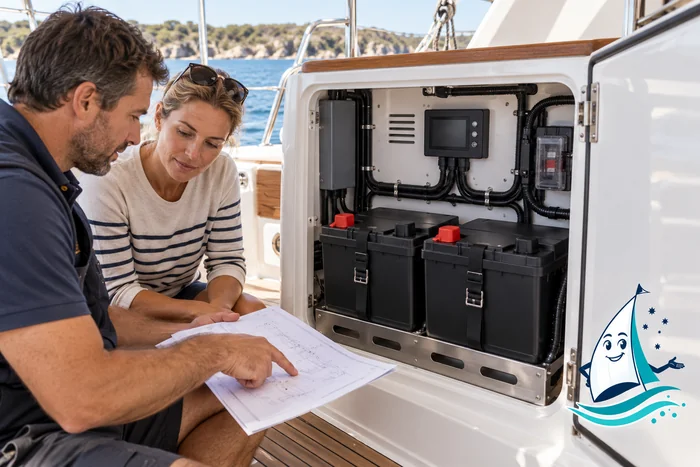
EQUIPMENT 02
Lithium house batteries
Plan the battery, charging, protection and monitoring as one electrical system.
Open complete upgrade guide →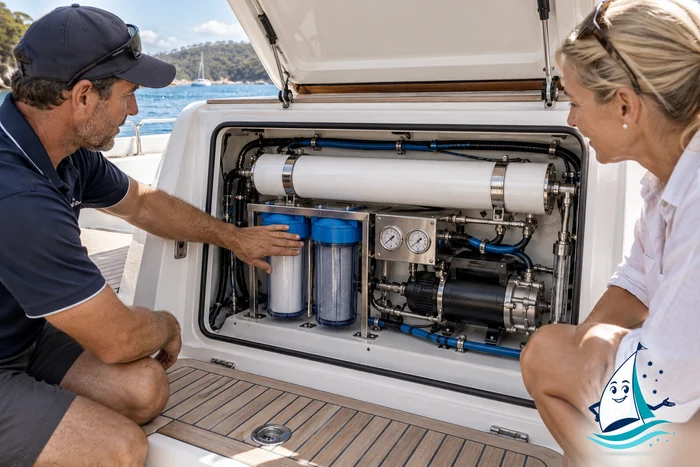
EQUIPMENT 03
Watermaker & freshwater capacity
Balance daily water demand with energy, installation and ongoing care.
Open complete upgrade guide →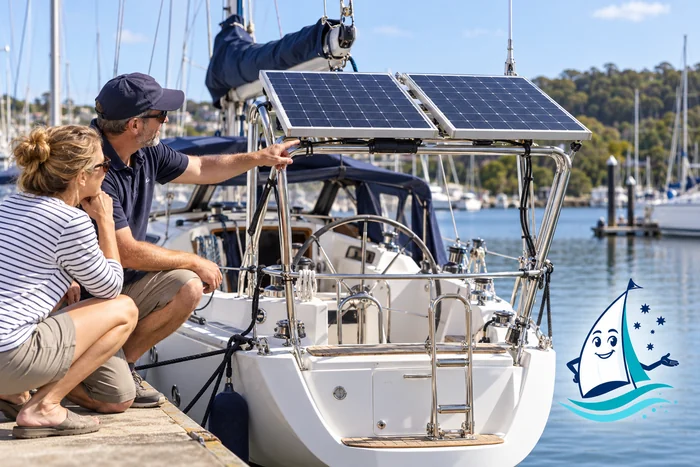
EQUIPMENT 04
Solar panels & charging
Match collection, control and charging opportunities to your daily load.
Open complete upgrade guide →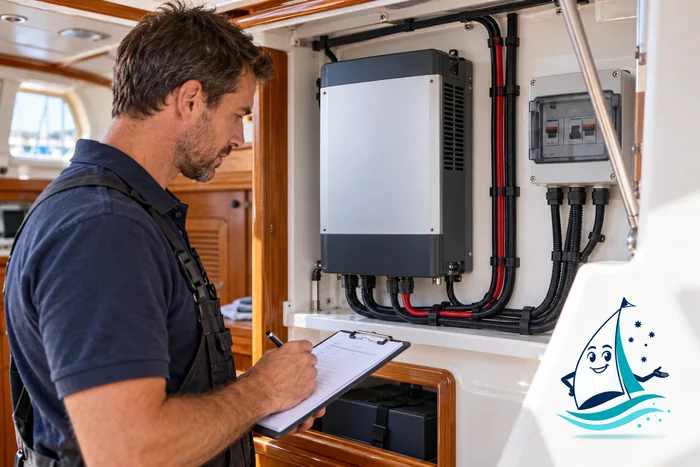
EQUIPMENT 05
Inverter, shore power & AC appliances
Decide which appliances are worth the energy and installation changes.
Open complete upgrade guide →
EQUIPMENT 06
Sails, reefing & sail handling
Buy sails and controls that your regular crew can use confidently.
Open complete upgrade guide →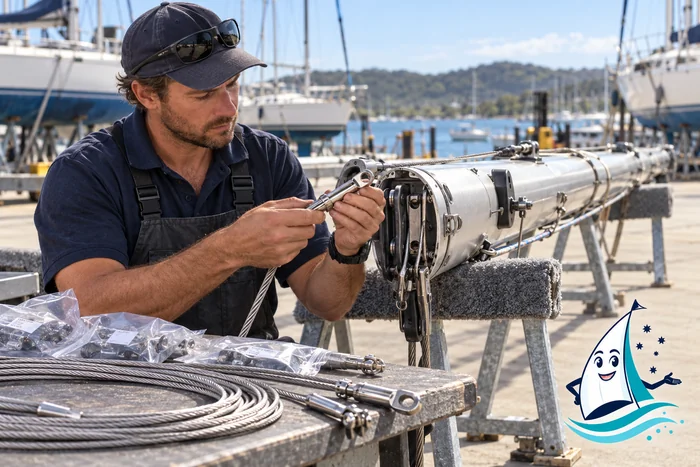
EQUIPMENT 07
Standing rigging, mast & deck hardware
Define the components being renewed and the structure supporting them.
Open complete upgrade guide →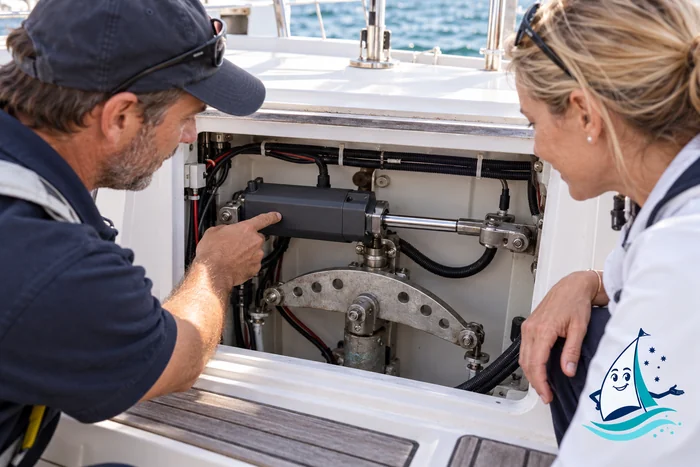
EQUIPMENT 08
Autopilot & steering
Match the drive and controls to the actual steering system and cruising load.
Open complete upgrade guide →
EQUIPMENT 09
Chartplotter, AIS, instruments & communications
Plan the information you need and the connections that make it available.
Open complete upgrade guide →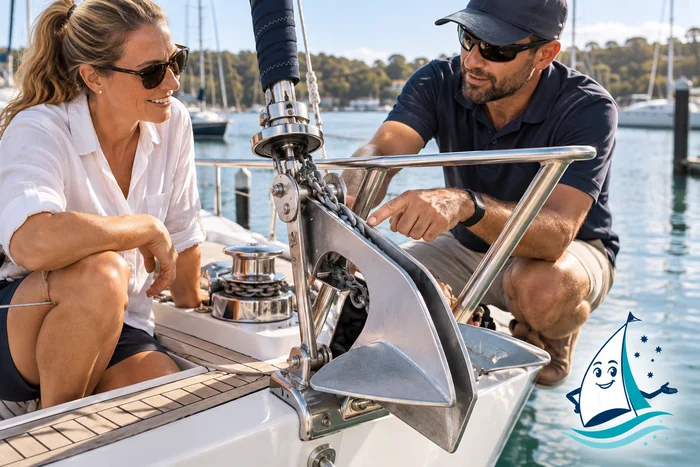
EQUIPMENT 10
Anchor, chain, windlass & bow fittings
Assess the entire anchoring arrangement, including retrieval and storage.
Open complete upgrade guide →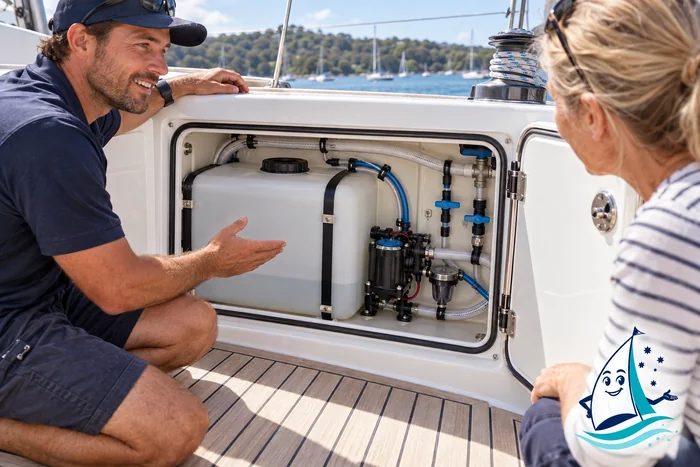
EQUIPMENT 11
Tanks, pumps, hoses & heads
Plan access, hygiene and serviceability alongside capacity and convenience.
Open complete upgrade guide →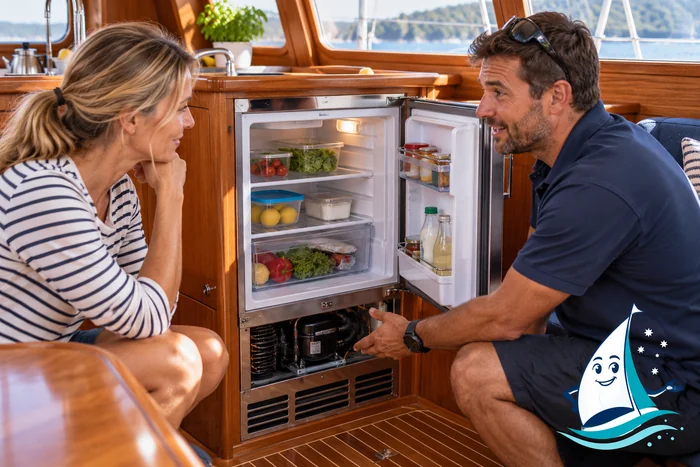
EQUIPMENT 12
Refrigeration & galley comfort
Balance cold storage, access and energy before buying a new fridge.
Open complete upgrade guide →Images are generated editorial illustrations, not installation drawings or examples of an approved system.
FROM OBSERVATION TO ACTION
What the answer means
| What you encounter | What it means | Your next action |
|---|---|---|
| New equipment proposed without a usage brief | The solution may not address your actual problem. | Describe the task and measure existing limitations. |
| Multiple trades touch one system | Interface responsibilities may be unclear. | Name who coordinates and commissions the complete installation. |
| Quote excludes access or reinstatement | The final cost may be materially larger. | Ask for an inspected scope and variation process. |
A BUYER’S DECISION
Work through an example
Illustrative upgrade: a buyer plans new sails but discovers the chosen mainsail also changes handling hardware. They ask the sailmaker and rigger to coordinate before ordering. The final comparison includes the sail, fittings, installation and a demonstration with the regular crew. A cheaper sail-only quote was not a like-for-like alternative.
6 QUESTIONS FOR THIS TOPIC
Upgrade your yacht in the right order: FAQs
Should I upgrade before the first sail?
Complete work professionals identify as necessary before use. For preferences, safe familiarisation can reveal which improvements actually matter.
Will upgrades increase resale value by their cost?
Do not budget on that assumption. Choose work for condition, usability and your ownership plans, not a promised dollar-for-dollar return.
Which upgrades should wait until I have sailed the yacht?
Optional changes driven by preference often benefit from experience with the regular crew. Keep them separate from work professionals identify as necessary before use. Record the actual inconvenience on early suitable trips, then choose a project that solves it.
How do I stop several small upgrades becoming an uncontrolled refit?
Maintain one work list with priorities, dependencies, costs and an approval process for additions. Give each contractor the same current brief. When new work appears, review its effect on access, schedule and budget before authorising it.
Should one contractor coordinate my whole upgrade programme?
For interdependent projects, explicitly assign coordination even if different specialists perform the work. Identify who owns each interface, such as engine charging after a battery conversion. The useful question is whether responsibility is clear, not simply whether one invoice covers everything.
What evidence should I keep after an upgrade is completed?
Retain the agreed scope, invoices, exact product details, installation records, relevant certification, commissioning evidence and owner instructions. Record retained equipment and limitations too. That package helps maintenance, later surveys and an eventual sale.
Before you move on
Your questions, answered
Tick a question when you have recorded an answer or assigned a follow-up. A tick records your progress; it does not certify the yacht.
Saved only in this browser. Print a copy before clearing browser data.
0 of 4 questions addressed
Record your evidence in the buyer’s notebook →
YOUR AUSTRALIAN SUPPORT CREW
Find the right help on YouSail.
Start with the job you need done, then discuss experience, scope and availability directly.
Assess the sail wardrobe and price repairs or replacement.
Explore the YouSail directory →Discuss machinery assessment and service scope.
Explore the YouSail directory →Scope structural repairs and coordinated yard work.
Explore the YouSail directory →Directory links checked 6 October 2026. Listings are starting points for enquiries, not endorsements or confirmation of current qualifications, services or availability. Choose and appoint your own independent professionals.